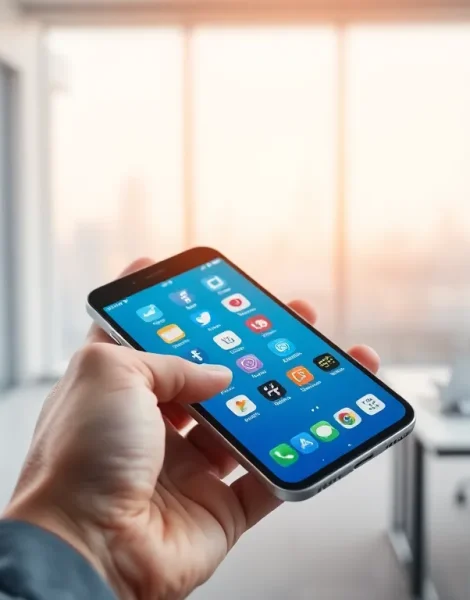
Top mobile apps examples span every category imaginable, from social networking to personal finance. The average smartphone user has over 80 apps installed, yet they regularly use only about 9 per day. This gap highlights a simple truth: finding the right apps matters more than downloading everything available.
Whether someone needs better organization tools, wants to stay connected with friends, or aims to track fitness goals, the best mobile apps share common traits. They solve real problems, offer intuitive interfaces, and deliver consistent value. This guide covers standout apps across six major categories that millions of users rely on daily.
Table of Contents
ToggleKey Takeaways
- The best top mobile apps examples solve real problems with intuitive interfaces—users have 80 apps installed but only use 9 daily.
- Social media apps like WhatsApp, Instagram, TikTok, and Discord lead downloads by keeping users connected and engaged.
- Productivity apps such as Notion and Todoist help manage tasks and reduce friction in both work and personal life.
- Entertainment apps including Netflix and Spotify dominate content consumption with personalized recommendations and offline access.
- Health and fitness apps like MyFitnessPal and Headspace support physical and mental well-being through tracking and guided content.
- Finance apps such as Venmo, Mint, and Robinhood have transformed money management by bringing banking, budgeting, and investing to smartphones.
Social Media and Communication Apps
Social media and communication apps dominate download charts worldwide. These platforms keep people connected across distances and time zones.
WhatsApp leads global messaging with over 2 billion active users. The app offers end-to-end encryption for messages, voice calls, and video chats. Its simplicity and reliability make it a default choice for personal and business communication alike.
Instagram combines photo sharing with direct messaging features. The platform has evolved into a discovery engine where users find content creators, brands, and communities aligned with their interests. Stories, Reels, and shopping features keep engagement high.
TikTok changed how people consume short-form video content. Its algorithm excels at surfacing relevant videos based on watch behavior. Users spend an average of 95 minutes daily on the platform, a staggering figure that speaks to its addictive design.
Discord started as a gaming communication tool but now serves countless communities. Text channels, voice rooms, and video calls create spaces for groups with shared interests. Many businesses and content creators use Discord servers to build loyal audiences.
These top mobile apps examples show how communication tools continue to evolve beyond basic messaging.
Productivity and Organization Apps
Productivity apps help users manage time, tasks, and information more effectively. The best options integrate smoothly into daily routines.
Notion functions as an all-in-one workspace for notes, databases, wikis, and project management. Its flexibility appeals to individuals and teams who want to customize their systems. Users can build personal dashboards, track habits, or manage complex projects within one app.
Todoist offers clean task management with smart features like natural language input. Typing “submit report tomorrow at 3pm” creates a properly scheduled task automatically. The app syncs across devices and integrates with tools like Google Calendar.
Google Drive provides cloud storage and document collaboration. Users can access files from any device and share documents with editing or viewing permissions. The mobile app makes on-the-go access practical.
Evernote remains a strong choice for note-taking and information capture. Its web clipper saves articles and research directly to notebooks. Search functions find text within images and PDFs, making retrieval fast.
These productivity-focused top mobile apps examples demonstrate how digital tools can reduce friction in work and personal life.
Entertainment and Streaming Apps
Entertainment apps provide on-demand access to music, video, podcasts, and games. Users expect high-quality content and seamless playback.
Netflix pioneered mobile streaming and still sets the standard. The app offers offline downloads, personalized recommendations, and profiles for household members. Original content keeps subscribers engaged month after month.
Spotify dominates music streaming with over 600 million users. Its playlist features, podcast library, and algorithm-driven discovery playlists like “Discover Weekly” help users find new favorites. The free tier includes ads, while premium removes them and enables downloads.
YouTube serves as both an entertainment platform and a search engine for how-to content. Users watch everything from music videos to educational tutorials. YouTube Premium removes ads and allows background playback on mobile.
Twitch targets live streaming audiences, particularly in gaming. Viewers interact with streamers through chat, subscriptions, and donations. The community aspect creates engagement that pre-recorded content cannot match.
These entertainment-focused top mobile apps examples represent billions of hours of content consumption monthly.
Health and Fitness Apps
Health and fitness apps put workout routines, nutrition tracking, and wellness data into users’ pockets. They support goals ranging from weight loss to marathon training.
MyFitnessPal tracks food intake through a database of over 14 million foods. Users log meals by scanning barcodes or searching the database. The app calculates calories, macronutrients, and micronutrients to support dietary goals.
Strava serves runners and cyclists who want to track workouts and compare performance. GPS tracking records routes, pace, and elevation data. Social features let users follow friends and compete on “segments”, popular stretches of road or trail.
Headspace focuses on meditation and mental wellness. Guided sessions cover topics like stress reduction, focus, and sleep improvement. The app makes meditation accessible to beginners while offering content for experienced practitioners.
Fitbit pairs with wearable devices to track steps, heart rate, sleep quality, and exercise. The mobile app displays trends over time and delivers insights about activity patterns. Users can join challenges with friends for extra motivation.
These health-oriented top mobile apps examples show how technology supports physical and mental well-being.
Finance and Banking Apps
Finance apps give users control over banking, budgeting, and investing directly from their phones. Security features protect sensitive financial data.
Venmo simplified peer-to-peer payments in the United States. Users send money instantly to friends, split bills, and even pay at participating merchants. The social feed aspect, while optional, added a unique twist to payment apps.
Mint aggregates accounts from banks, credit cards, and investments into one dashboard. The app categorizes spending automatically and creates budgets based on income and expenses. Users can see their complete financial picture without logging into multiple services.
Robinhood brought commission-free stock trading to mainstream users. The mobile-first app lets users buy stocks, ETFs, and cryptocurrency with no minimum investment. Its clean interface made investing feel accessible to first-time investors.
PayPal handles online payments, money transfers, and merchant transactions worldwide. The app stores payment methods securely and offers buyer protection on qualifying purchases. Business features support freelancers and small companies.
These finance-focused top mobile apps examples demonstrate how smartphones have transformed money management.