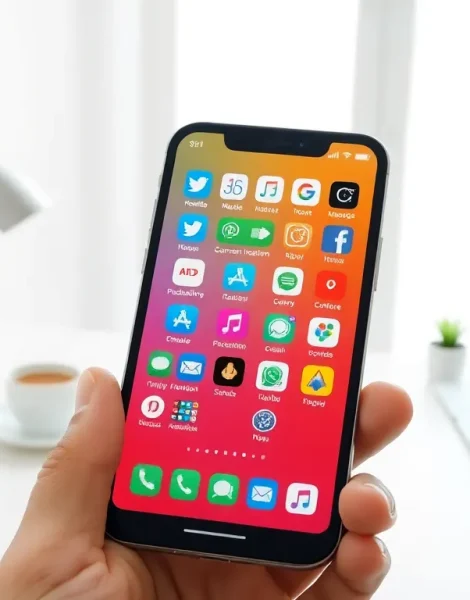
What is top mobile apps? This question matters to anyone who uses a smartphone in 2025. Top mobile apps shape how people communicate, work, and entertain themselves daily. They rank highest in downloads, user engagement, and overall satisfaction. This guide explains how apps earn their top status, breaks down the most popular categories, and reveals what makes an app truly successful. Whether someone wants to discover new tools or understand app trends, this article provides clear answers.
Table of Contents
ToggleKey Takeaways
- Top mobile apps are ranked by download volume, user ratings, retention rates, and revenue generation.
- Social media apps like TikTok, Instagram, and WhatsApp dominate global download charts in 2025.
- Successful apps solve real problems, offer intuitive design, and release regular updates to stay competitive.
- A retention rate above 25% after 30 days is considered strong for top mobile apps.
- Freemium and subscription models help apps generate revenue while keeping users engaged.
- Productivity apps like Microsoft 365, Google Workspace, and Notion lead the category for work and organization.
How Top Mobile Apps Are Defined and Ranked
Top mobile apps earn their position through measurable metrics. App stores like Google Play and Apple’s App Store use specific criteria to determine rankings. These criteria include download numbers, user ratings, retention rates, and revenue generation.
Download volume serves as the most visible metric. Apps with millions of downloads signal broad appeal and strong marketing. But, downloads alone don’t tell the whole story. An app that gets installed but rarely opened won’t maintain its top position for long.
User ratings and reviews carry significant weight. Apps with 4.5 stars or higher typically rank better than those with lower scores. Review quality matters too, apps that receive detailed positive feedback often outperform those with generic praise.
Retention rate measures how many users return to an app after the first day, week, or month. Top mobile apps keep users coming back. A retention rate above 25% after 30 days is considered strong in 2025. Apps that struggle to retain users quickly fall from top charts.
Revenue also influences rankings. Apps generating consistent income through purchases, subscriptions, or ads demonstrate sustainable business models. This factor explains why free apps with premium features often dominate charts.
Third-party research firms like App Annie and Sensor Tower track these metrics globally. They publish monthly and yearly reports that identify top mobile apps across different regions and categories. These reports help developers, investors, and users understand which apps lead the market.
Categories of the Most Popular Mobile Apps
Top mobile apps span multiple categories. Each category serves distinct user needs and attracts different audiences. Understanding these categories helps users find apps that match their goals.
Social Media and Communication Apps
Social media and communication apps dominate global download charts. In 2025, Instagram, TikTok, and WhatsApp remain among the most downloaded apps worldwide. These platforms connect billions of users daily.
TikTok continues to lead in time spent per user. Its short-video format keeps audiences engaged for an average of 95 minutes per day. Instagram follows closely, with Stories and Reels driving consistent engagement.
WhatsApp and Telegram lead messaging apps. WhatsApp boasts over 2 billion active users globally. Its end-to-end encryption and group features make it essential for personal and business communication. Telegram has grown rapidly, attracting users who want larger group sizes and more customization options.
Discord has expanded beyond gaming communities. It now serves study groups, hobby clubs, and professional teams. Its voice and text channels offer flexibility that traditional messaging apps lack.
Productivity and Utility Apps
Productivity apps help users manage tasks, collaborate with teams, and organize their lives. Top mobile apps in this category include Microsoft 365, Google Workspace, and Notion.
Microsoft 365 offers Word, Excel, and Teams on mobile devices. These apps let users create documents, manage spreadsheets, and hold video meetings from their phones. Google Workspace provides similar tools with seamless cloud integration.
Notion has become a favorite for personal and team organization. Users build custom databases, project trackers, and note systems. Its flexibility explains its rapid growth among students and professionals.
Utility apps solve everyday problems. Venmo and PayPal simplify money transfers. Google Maps and Waze guide millions of drivers daily. These apps perform specific tasks quickly and reliably, which keeps users loyal.
What Makes an App Successful
Successful apps share common traits. They solve real problems, offer intuitive design, and update regularly. Understanding these factors reveals why some apps become top mobile apps while others fade away.
Problem-solving stands as the foundation. Every successful app addresses a specific need. Spotify makes music accessible. Uber connects riders with drivers. Duolingo teaches languages. Apps that solve problems clearly and effectively attract loyal users.
User experience determines whether people stay. Top mobile apps feature clean interfaces, fast load times, and intuitive controls. Users abandon apps that frustrate them. Studies show 25% of users uninstall apps after one use if the experience disappoints.
Regular updates keep apps competitive. Developers who fix bugs, add features, and respond to feedback build trust. Apps that stagnate lose users to fresher alternatives. The most successful apps release updates every few weeks.
Performance matters on every device. Top mobile apps run smoothly on older phones, not just flagship models. Optimization for different screen sizes, operating systems, and network speeds broadens an app’s potential audience.
Marketing and visibility play crucial roles. Apps need discoverability to succeed. App Store Optimization (ASO) helps apps rank for relevant search terms. Social media promotion, influencer partnerships, and word-of-mouth referrals drive downloads.
Monetization strategy affects long-term success. Apps must generate revenue without alienating users. Freemium models work well, users access basic features for free and pay for premium options. Subscription models provide predictable income while offering ongoing value.