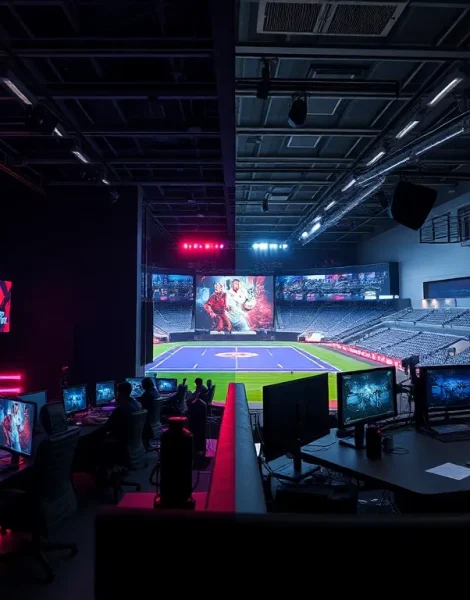
Esports coverage vs traditional sports coverage represents one of the most fascinating shifts in modern media. Both industries attract millions of viewers, but they reach audiences in remarkably different ways. Traditional sports have decades of broadcast infrastructure behind them. Esports, on the other hand, grew up on the internet and built its own rulebook from scratch.
This comparison matters because advertisers, broadcasters, and fans all need to understand these differences. Whether someone works in media or simply watches both types of content, knowing what sets them apart helps explain why each industry operates the way it does. The gap between esports coverage vs traditional sports coverage touches everything from where people watch to how commentators talk about the action.
Table of Contents
ToggleKey Takeaways
- Esports coverage vs traditional sports coverage differs most in platform accessibility—esports streams free on Twitch and YouTube, while traditional sports require cable or paid subscriptions.
- Esports audiences engage actively through live chat and community platforms, creating a more interactive viewing experience than traditional passive broadcasts.
- Commentary styles vary significantly: esports casters use informal, internet-influenced language while traditional sports commentators follow decades-old formal conventions.
- When comparing esports coverage vs traditional sports, age demographics stand out—esports viewers average 18-34 years old, while traditional sports audiences trend older.
- Revenue models remain underdeveloped in esports, relying heavily on sponsorships and in-game purchases rather than the multi-billion dollar broadcast deals traditional sports command.
- Esports sponsors focus on gaming peripherals and tech companies for authenticity, while traditional sports partner with mainstream brands like beer and insurance companies.
How Esports and Traditional Sports Broadcast Differently
Traditional sports broadcasting follows a predictable pattern. Networks like ESPN, Fox Sports, and NBC hold exclusive rights to major leagues. They schedule games at specific times and air them through cable packages or streaming apps tied to those networks. Production involves stadium cameras, sideline reporters, and commercial breaks that viewers have accepted for decades.
Esports coverage vs traditional sports coverage shows its biggest contrast right here. Most esports events stream live on platforms like Twitch and YouTube Gaming. Fans don’t need cable subscriptions. They open a browser or app and start watching for free. This accessibility has helped competitive gaming grow rapidly among younger demographics.
Production styles also differ. Traditional broadcasts use multiple camera angles focused on physical athletes and stadium crowds. Esports broadcasts mix player camera feeds with in-game footage, creating a viewing experience that non-gamers sometimes find confusing. Directors switch between overhead map views, first-person perspectives, and player reaction shots.
Another key difference involves timing. Football and basketball games happen at set hours because stadiums, TV schedules, and time zones dictate availability. Esports tournaments often run for eight to twelve hours across multiple days. Some events feature matches happening simultaneously on different streams. This structure gives viewers flexibility but can make following a tournament feel overwhelming.
Audience Engagement and Platform Preferences
When examining esports coverage vs traditional sports coverage, audience behavior stands out immediately. Traditional sports fans typically watch on televisions. They gather at bars, living rooms, and stadiums. Social media adds a layer of interaction, but the core experience remains passive consumption of a broadcast.
Esports audiences engage differently. Twitch and YouTube Gaming feature live chat running alongside streams. Viewers type reactions, jokes, and commentary in real time. This creates a communal atmosphere that traditional broadcasts struggle to replicate. Some esports fans say chat interaction matters as much as the competition itself.
Platform preferences skew heavily by age. Viewers over 40 gravitate toward television for sports. Younger audiences prefer digital platforms where they control when and how they watch. According to industry reports, esports viewers average between 18 and 34 years old. Traditional sports audiences trend older, though leagues actively work to attract younger fans.
Second-screen behavior also varies. Traditional sports fans might check fantasy scores or browse Twitter during commercial breaks. Esports viewers often watch multiple streams simultaneously, switching between matches or keeping a favorite streamer’s commentary open alongside official broadcasts. This fragmented attention creates challenges for advertisers hoping to capture focused viewer interest.
Community plays a larger role in esports. Fans follow specific players, teams, and content creators across social platforms. They join Discord servers, subreddits, and forums dedicated to their favorite games. Traditional sports have passionate fanbases too, but the digital-first nature of esports makes community participation more constant and accessible.
Commentary and Analysis Styles
Commentary represents another area where esports coverage vs traditional sports coverage diverges sharply. Traditional sports commentators tend toward formal delivery. They reference statistics, historical context, and strategic analysis. Play-by-play announcers follow established conventions that have evolved over decades of broadcasting.
Esports casters bring a different energy. Many started as community members who understood specific games deeply before becoming broadcasters. Their commentary includes game-specific terminology, memes, and references that hardcore fans appreciate but casual viewers might miss. The tone skews younger and more internet-influenced.
Analysis depth varies between industries. Traditional sports benefit from decades of statistical frameworks. Analysts can reference historical comparisons and well-established metrics. Esports analysis exists but remains less standardized. Games update frequently, changing strategies and making historical comparisons tricky.
Some esports broadcasts feature former professional players as analysts. This mirrors traditional sports, where retired athletes join broadcast teams. But, esports careers often end earlier due to reaction time concerns, meaning analysts might be in their mid-twenties. This youth influences the conversational style of broadcasts.
Humor appears more frequently in esports commentary. Casters crack jokes, reference internet culture, and interact with chat. Traditional sports maintain a more serious atmosphere, though personalities like Charles Barkley have shown that entertainment value matters in any broadcast.
Revenue Models and Sponsorship Approaches
Money flows differently across these industries. Traditional sports generate revenue through broadcast rights, ticket sales, merchandise, and sponsorships. Major leagues negotiate multi-billion dollar television deals. Stadium naming rights and jersey patches add additional income streams.
Esports coverage vs traditional sports coverage reveals a younger industry still figuring out sustainable business models. Broadcast rights exist, but they command smaller fees. Some tournaments stream free to maximize viewership rather than gate content behind paywalls. Revenue comes primarily from sponsorships, team investments, and in-game purchases.
Sponsorship approaches differ significantly. Traditional sports feature beer, car, and insurance companies as major partners. Esports sponsors include gaming peripheral brands, energy drinks, and technology companies. Endemic sponsors, companies whose products gamers actually use, carry more authenticity than traditional corporate partnerships.
Advertiser hesitation has challenged esports growth. Some brands remain uncertain about reaching audiences through gaming content. Others worry about content control, since live streams can feature unexpected player behavior. Traditional sports offer more predictable environments for brand placement.
Merchandise represents another contrast. Traditional sports sell jerseys, hats, and memorabilia through established retail channels. Esports merchandise exists but often sells through online stores with smaller reach. Digital items, like in-game skins or virtual goods, offer an alternative revenue stream that traditional sports can’t replicate.
Team valuations tell part of this story. The Dallas Cowboys reportedly value over $9 billion. Top esports organizations might reach $300-400 million. The gap remains enormous, though esports has grown faster on a percentage basis over the past decade.