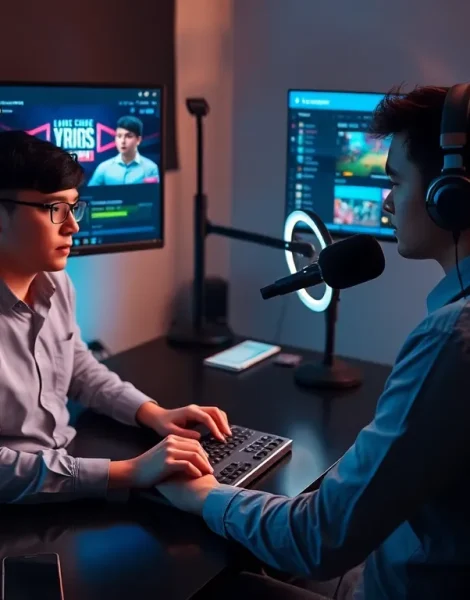
Learning how to cover esports starts with understanding that competitive gaming has become a billion-dollar industry. Major tournaments fill arenas, streaming platforms attract millions of viewers, and professional players earn salaries that rival traditional athletes. This growth has created real demand for skilled journalists who can tell the stories behind the games.
Esports coverage requires a unique blend of gaming knowledge, journalism fundamentals, and digital media skills. Whether someone wants to write match recaps, conduct player interviews, or produce video content, the opportunities are expanding. This guide breaks down the essential steps for anyone looking to break into esports journalism.
Table of Contents
ToggleKey Takeaways
- Esports coverage requires a blend of deep game knowledge, strong journalism fundamentals, and digital media skills to succeed.
- Understanding the esports landscape—including different game ecosystems, tournament structures, and business operations—is essential before starting coverage.
- Building a portfolio through blogs, freelancing, and covering local or amateur scenes provides the experience needed to break into the industry.
- Social media fluency on platforms like Twitter/X, Reddit, and Discord is critical for breaking news and growing an audience.
- Developing video, audio, and fast-writing skills opens more content opportunities, from podcasts to match recaps and analysis videos.
- Persistence and consistent networking—both online and at events—are key to landing esports journalism opportunities.
Understanding the Esports Landscape
Before diving into esports coverage, aspiring journalists need to grasp how the industry operates. Esports isn’t one single scene, it’s dozens of competitive ecosystems built around different games. League of Legends, Counter-Strike 2, Valorant, Dota 2, and fighting games each have distinct communities, tournament structures, and fan bases.
The major publishers like Riot Games, Valve, and Activision Blizzard run franchised leagues and international championships. Third-party organizers such as ESL, BLAST, and PGL host additional events. Regional leagues feed into global competitions, creating storylines that span entire seasons.
Understanding this structure matters for effective esports coverage. A journalist covering League of Legends needs to know the difference between the LCS, LEC, and LCK. Someone focused on Counter-Strike should understand the Major system and how teams qualify through RMR events.
The business side deserves attention too. Esports organizations operate like sports franchises, with sponsorship deals, merchandise sales, and content creation driving revenue. Teams like Cloud9, Fnatic, and Team Liquid compete across multiple games and maintain large content creator rosters. Knowing who owns what, and who sponsors whom, adds depth to coverage.
Streaming platforms play a central role. Twitch remains the dominant viewing platform, though YouTube Gaming and emerging platforms continue competing for exclusive broadcasting rights. Many esports journalists build their audience on these same platforms.
Essential Skills for Esports Coverage
Successful esports coverage demands a specific skill set. Game knowledge sits at the foundation. Journalists don’t need to be professional-level players, but they must understand strategy, meta shifts, and what separates good plays from great ones. Watching VODs, reading patch notes, and playing the games themselves builds this expertise over time.
Writing remains the core skill for most esports journalism. Clear, engaging prose that explains complex situations to casual fans, while still offering insights for hardcore viewers, takes practice. The best esports writers translate in-game action into compelling narratives.
Interview skills matter as much as writing ability. Players and coaches often give guarded, PR-friendly answers. Skilled interviewers ask follow-up questions, build rapport, and create comfortable environments that yield genuine responses. Learning to conduct interviews on camera adds another valuable dimension.
Social media fluency has become essential for modern esports coverage. Breaking news happens on Twitter/X. Reddit threads shape community narratives. Discord servers provide access to insider conversations. Journalists who ignore these platforms miss stories and struggle to build audiences.
Video and audio production skills open additional doors. Podcasts, YouTube analysis videos, and short-form content on TikTok reach audiences that traditional articles might not. Even basic editing knowledge, using tools like DaVinci Resolve or Adobe Premiere, expands what a journalist can produce.
Speed matters in esports coverage. Tournament results, roster moves, and patch announcements demand quick turnarounds. Writers who can produce accurate content fast gain advantages over slower competitors.
Types of Esports Content to Create
Esports coverage takes many forms. Match recaps and tournament coverage represent the bread-and-butter content. These pieces summarize what happened, highlight key moments, and place results in broader competitive context. They require fast writing and strong game knowledge.
Feature stories dig deeper into personalities and storylines. A profile of an underdog team’s journey to a championship, an investigation into player burnout, or an oral history of a legendary match, these longer pieces showcase journalistic craft and often attract readers beyond the hardcore fan base.
News reporting covers roster changes, organizational announcements, and industry developments. Breaking a story about a player transfer or tournament format change builds credibility and followers. This work requires source development and verification practices borrowed from traditional journalism.
Analysis and opinion pieces let journalists demonstrate their game knowledge. Explaining why a particular draft strategy failed, predicting how a patch will shift the meta, or arguing which team looks strongest heading into playoffs, these pieces position writers as experts worth following.
Video content includes interviews, documentary-style features, analysis breakdowns, and highlight packages. Some journalists build entire careers around YouTube channels or streaming shows. Production quality matters, but personality and insight matter more.
Podcasts have carved out significant space in esports coverage. Shows like the Dexerto Podcast and game-specific roundtables attract loyal audiences. The barrier to entry is low, a decent microphone and basic editing get the job done.
Building Your Esports Portfolio and Network
Breaking into esports coverage requires building both a portfolio and a network. Starting a personal blog, Medium page, or Substack newsletter costs nothing and provides a platform for publishing work. Consistency beats perfection, regular output demonstrates commitment and builds skills faster than occasional polished pieces.
Social media presence amplifies reach. Sharing analysis threads, hot takes on roster moves, and reactions to matches gets content in front of potential readers and editors. Engaging with the community, responding to comments, participating in discussions, builds recognition.
Freelancing offers a path to paid work. Sites like Dexerto, Dot Esports, and The Game Haus accept pitches from freelancers. Payment varies, but published clips on established sites carry weight when applying for staff positions later.
Covering local and amateur scenes provides valuable experience. Collegiate esports, grassroots tournaments, and regional leagues need coverage too. These opportunities offer practice without the pressure of covering tier-one competitions.
Networking happens online and at events. Following other journalists, editors, and industry professionals on social media creates connections. Attending events, even as a spectator, puts faces to names and opens conversation. Discord servers for esports journalists exist specifically for community building and job sharing.
Credentials for major events come through demonstrated work. Organizations grant press passes based on portfolio quality and outlet reputation. Building that reputation takes time, but consistent good work opens doors.
Persistence matters most. The esports coverage field is competitive, and rejection happens. Writers who keep producing quality content, improving their skills, and making connections eventually find their openings.