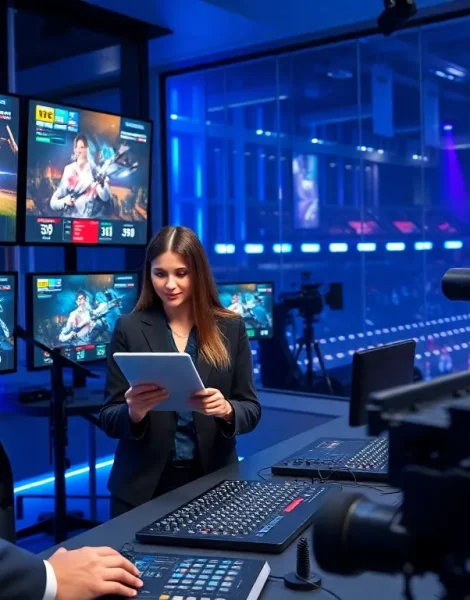
Esports coverage refers to the media content that reports on, analyzes, and broadcasts competitive gaming events. This coverage spans live tournament streams, news articles, player interviews, and expert commentary. As esports has grown into a billion-dollar industry, so has the demand for quality media that keeps fans informed and entertained.
Whether someone follows League of Legends championships or Valorant tournaments, esports coverage connects audiences to the action. It transforms competitive gaming from isolated matches into a global spectator experience. This guide breaks down what esports coverage includes, where to find it, and why it matters for the future of gaming media.
Table of Contents
ToggleKey Takeaways
- Esports coverage includes live broadcasts, news articles, player interviews, podcasts, and social media updates that keep fans connected to competitive gaming.
- Major esports events now rival traditional sports in production quality, with professional commentators and analysts dedicating full careers to the space.
- Live event broadcasting is the most visible form of esports coverage, with tournaments like the 2023 League of Legends World Championship drawing over 6 million peak viewers.
- Fans can find esports coverage across platforms like Twitch, YouTube Gaming, dedicated websites (Dexerto, Dot Esports), and social media channels.
- The future of esports coverage points toward mobile growth, AI-powered personalization, localized content, and deeper creator integration.
- The esports industry is projected to surpass $2 billion globally by 2027, with media rights deals driving significant growth.
Understanding Esports Coverage
Esports coverage encompasses all media that documents competitive gaming. This includes live broadcasts, written journalism, video analysis, podcasts, and social media updates. The goal is simple: deliver relevant information about tournaments, teams, players, and the esports industry to fans worldwide.
Traditional sports have ESPN and Sports Illustrated. Esports has its own ecosystem of dedicated outlets and content creators. These sources track everything from roster changes to prize pool announcements. They interview pro players, break down match strategies, and report on organizational news.
Quality esports coverage serves multiple purposes. It informs casual viewers about upcoming events. It provides hardcore fans with deep analysis. It also legitimizes competitive gaming as a serious sport worthy of professional journalism.
The scope of esports coverage has expanded dramatically. Ten years ago, fans relied on forum posts and amateur streams. Today, major esports coverage includes production values that rival traditional sports networks. Professional commentators, analysts, and journalists now dedicate their careers to this space.
Types of Esports Coverage
Esports coverage takes many forms. Each type serves different audience needs and consumption habits.
Live Event Broadcasting
Live broadcasting represents the most visible form of esports coverage. Tournaments stream on platforms like Twitch, YouTube Gaming, and dedicated esports channels. These broadcasts feature play-by-play commentary, color analysis, and pre-game shows.
Major events attract millions of concurrent viewers. The 2023 League of Legends World Championship drew over 6 million peak viewers. Production teams create compelling narratives around matches, building storylines that keep audiences engaged.
Live esports coverage includes:
- Real-time match commentary
- Analyst desks with expert breakdowns
- Player interviews and backstage content
- Replays and highlight packages
Broadcasters employ former pro players as analysts. This adds credibility and insider knowledge to the coverage. Viewers get tactical insights they couldn’t access on their own.
News and Editorial Content
Written esports coverage fills the gaps between live events. News outlets report on roster moves, tournament announcements, and industry developments. Editorial content offers opinion pieces, player profiles, and investigative journalism.
This type of esports coverage keeps the community informed daily. Fans can follow their favorite teams and players through regular updates. Long-form articles explore topics like player mental health, organizational finances, and game balance changes.
Some outlets specialize in specific games. Others cover the entire esports landscape. Both approaches serve important roles in the media ecosystem.
Where to Find Esports Coverage
Finding good esports coverage has become easier as the industry has matured. Multiple platforms now deliver content to fans.
Streaming Platforms: Twitch remains the dominant force for live esports coverage. YouTube Gaming hosts official broadcasts for many leagues. Some tournaments also stream on TikTok and Facebook Gaming.
Dedicated Esports Websites: Sites like Dexerto, Dot Esports, and The Esports Observer provide daily news and features. These outlets employ full-time journalists who specialize in competitive gaming.
YouTube Channels: Content creators produce post-match analysis, highlight videos, and documentary content. Channels range from individual analysts to official team media departments.
Social Media: Twitter (now X) serves as the breaking news hub for esports coverage. Reddit communities discuss matches and share updates. Instagram and TikTok deliver clips and behind-the-scenes content.
Podcasts: Audio content has grown significantly. Shows cover specific games, interview industry figures, and discuss esports news weekly.
Each platform offers a different experience. Serious fans often follow multiple sources to get complete esports coverage of their favorite scenes.
The Growth and Future of Esports Media
Esports coverage continues to expand alongside the competitive gaming industry. Revenue projections suggest esports will surpass $2 billion globally by 2027. Media rights deals drive much of this growth.
Traditional sports networks have entered the space. ESPN broadcasts major esports events. Regional sports networks experiment with competitive gaming content. This mainstream attention brings higher production standards and broader audiences.
The future of esports coverage points toward several trends:
Mobile Growth: Mobile esports, particularly in Asia, creates new coverage demands. Games like PUBG Mobile and Free Fire attract massive audiences.
Personalization: AI-powered tools may let viewers customize their esports coverage experience. Imagine choosing which player’s perspective to watch or which stats appear on screen.
Localization: As esports grows globally, coverage in local languages becomes essential. Brazilian, Korean, and European markets each need dedicated media.
Creator Integration: The line between official esports coverage and content creator commentary continues to blur. Watch parties and co-streaming arrangements let personalities add their voices to broadcasts.
The industry still faces challenges. Advertiser education, viewer retention, and sustainable business models remain ongoing concerns. But the trajectory is clear: esports coverage will only become more sophisticated and widespread.